
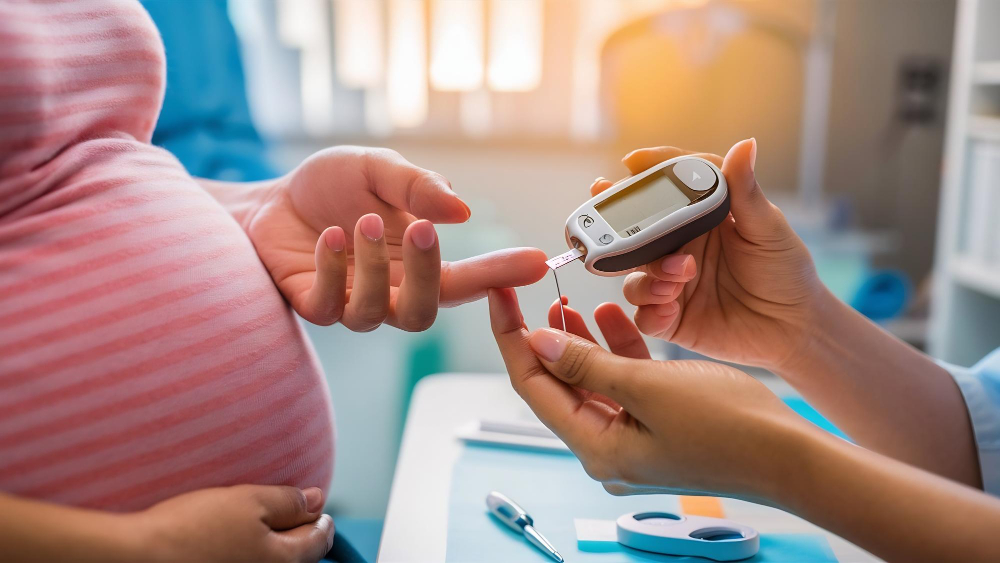
Gestational diabetes is a type of diabetes that develops during pregnancy. It means your body cannot use sugar well, so blood sugar levels rise. Often, gestational diabetes appears in the second half of pregnancy. Because it can affect both mother and baby, it is important to understand its risks. Many women wonder about the effects of gestational diabetes on baby and how to manage it. Early care and healthy choices can make a big difference.
What Is Gestational Diabetes?
Gestational diabetes happens only during pregnancy. Usually, your body makes more insulin to help control blood sugar. However, in some cases, the body cannot keep up. As a result, blood sugar levels get too high. This condition is called gestational diabetes in pregnancy. After the baby is born, blood sugar often returns to normal. Still, it is important to monitor and manage it while pregnant.
Symptoms and Risk Factors
Most women with gestational diabetes do not notice symptoms. Sometimes, mild signs may appear. For example, you may feel more thirsty or need to urinate more often. However, these signs are common in pregnancy, so they can be missed. Because of this, doctors test for gestational diabetes during routine care.
Knowing your risk can help you and your doctor watch for signs early.
How Gestational Diabetes Affects Pregnancy
Gestational diabetes in pregnancy can cause problems if not managed well. For instance, high blood sugar can lead to high blood pressure. Sometimes, it increases the risk of preeclampsia, a serious condition for mothers. In addition, it can make labor and delivery more difficult. Because of these risks, regular check-ups are important.
With good care, many women have healthy pregnancies and babies.
Impact on the Baby
Gestational diabetes can affect the baby in several ways. For example, high blood sugar can cause the baby to grow larger than normal. This is called macrosomia. Because of this, delivery can be harder and may need special care. In some cases, babies may have low blood sugar after birth. This happens because their bodies make extra insulin. Also, there is a higher risk of breathing problems at birth.
With close monitoring, most babies do well.
Diagnosis and Monitoring
Doctors use a simple blood test to check for gestational diabetes. Usually, this test happens between weeks 24 and 28 of pregnancy. Sometimes, women with higher risk get tested earlier. If the test shows high blood sugar, more tests may follow. After diagnosis, regular monitoring helps keep blood sugar in a safe range. Because blood sugar can change quickly, doctors may ask you to check it at home.
Early diagnosis means better care for both mother and baby.
Treatment Options
Treating gestational diabetes focuses on keeping blood sugar normal. Often, healthy eating and exercise are enough. However, some women may need medicine or insulin. Because every pregnancy is different, your doctor will create a plan just for you. Managing gestational diabetes well lowers risks for both you and your baby.
With support, most women can manage gestational diabetes safely.
Lifestyle and Dietary Guidance
Healthy choices are key to managing gestational diabetes. For example, eating balanced meals helps control blood sugar. It is helpful to eat smaller meals more often. In addition, choosing foods high in fiber and low in sugar can make a difference. Staying active also helps your body use sugar better. Even a short daily walk can help.
Because every woman is different, a dietitian can offer personal advice.
Prevention Tips
While not all cases can be prevented, some steps may lower your risk. For instance, starting pregnancy at a healthy weight helps. Also, staying active before and during pregnancy can make a difference. Eating a balanced diet is important, too. If you had gestational diabetes before, talk to your doctor early in your next pregnancy.
With early care and healthy habits, you can lower your risk of gestational diabetes in pregnancy.
Don’t ignore your health concerns. Consult Dr. Pragyan Dash