Many people want to know the causes of endometriosis. This condition affects millions of women and girls worldwide. But why does endometriosis happen? Doctors and scientists continue to study this disease. Although the exact cause is still unknown, experts have found several risk factors for endometriosis. In this blog, we will explain what endometriosis is and explore the most common endometriosis causes explained by research.
What is Endometriosis?
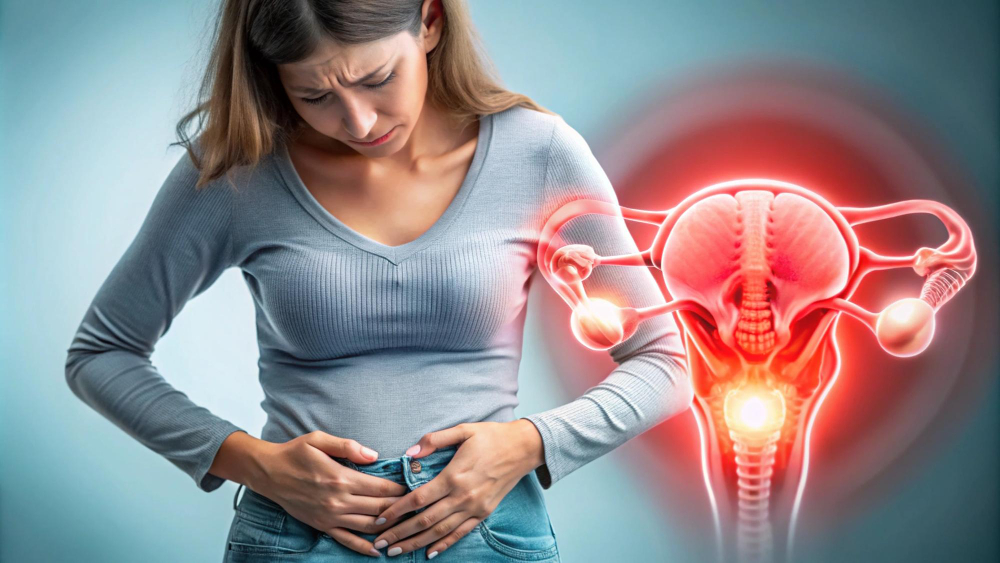
Endometriosis is a health problem where tissue, similar to the lining inside the uterus, grows outside the uterus. For example, this tissue can appear on the ovaries, fallopian tubes, or other areas in the pelvis. Each month, this tissue acts like normal uterine lining. It thickens, breaks down, and bleeds. However, because it is outside the uterus, the blood has nowhere to go. As a result, this can cause pain, swelling, and sometimes scar tissue. The Centers for Disease Control and Prevention (CDC) and World Health Organization (WHO) both recognize endometriosis as a common cause of pelvic pain and infertility.
Overview of the Causes of Endometriosis
Doctors do not know exactly why endometriosis happens. However, several theories help explain the possible causes of endometriosis. Some people may have more than one risk factor. Understanding these causes can help you know if you are at risk. According to the CDC, the main factors include genetics, hormones, immune system problems, and lifestyle choices.
Genetic Factors
Some women are more likely to develop endometriosis because of their genes. If your mother, sister, or close relative has endometriosis, your risk is higher. For instance, studies in medical journals show that endometriosis can run in families. Therefore, genetics play a strong role in why endometriosis happens. Researchers continue to look for specific genes linked to this disease.
Hormonal Influences
Hormones, especially estrogen, can affect the growth of endometriosis. Estrogen is a hormone that controls the female reproductive system. When estrogen levels are high, endometriosis tissue may grow faster. Because of this, doctors believe that hormonal changes are a key cause of endometriosis. Some treatments work by lowering estrogen to help manage symptoms.
Immune System Factors
Another possible cause of endometriosis is a problem with the immune system. Normally, the immune system helps protect the body from disease. However, in some women, the immune system may not remove endometrial tissue growing outside the uterus. As a result, this tissue can survive and cause symptoms. The WHO notes that immune system changes may explain why some women develop severe endometriosis while others do not.
Environmental and Lifestyle Factors
Some experts believe that certain environmental and lifestyle factors may increase the risk of endometriosis. For example, exposure to chemicals called endocrine disruptors may affect hormone levels. These chemicals are found in some plastics, pesticides, and personal care products. In addition, lifestyle choices such as diet, lack of exercise, or high stress may play a role. While more research is needed, these factors could help explain why endometriosis happens in some people.
Other Possible Risk Factors
Besides the main causes, other risk factors for endometriosis exist. For instance, starting your period at a young age or having short menstrual cycles may increase your risk. Also, heavy periods that last more than seven days can be a factor. Women who have never given birth may also face higher risks. According to the CDC, these risk factors do not cause endometriosis directly, but they may make it more likely to develop.
Conclusion
If you have questions about endometriosis or your symptoms, we are here to help. Book a consultation with Dr.Pragyan Dash to get clear answers and support for your health needs.